
Deep Cleansing Shampoo to Remove Build Up
Share
Hair can look clean and still carry residue. Silicone-heavy styling products, dry shampoo, pool chlorine, hard-water minerals and everyday pollutants can cling to the hair shaft, leaving it dull, coated or difficult to manage. A deep cleansing shampoo to remove build up is designed for the occasions when an ordinary wash simply is not enough.
For some people, that means restoring hair after a week of product use or regular swimming. For others, the stakes are higher: they are preparing their hair carefully ahead of a hair-follicle test and need a focused cleansing routine, not vague cosmetic claims. The right approach starts with understanding what is on the hair, how intensive cleansing works and why technique matters as much as the bottle.
What causes build-up on hair?
Build-up is not one single substance. It is a layered mix that can come from your own scalp oils, leave-in conditioners, waxes, pomades, heat protectants, dry shampoo and environmental exposure. In many parts of the UK, hard water adds mineral deposits over time. If you swim often, chlorine can contribute to that rough, stiff, faded feeling too.
These deposits sit along the cuticle, the outer protective layer of each hair strand. They can make hair feel heavy at the roots but dry through the lengths. Colour may appear less bright, curls may lose definition, and a favourite conditioner can suddenly seem as though it no longer works.
A standard daily shampoo is usually formulated to cleanse without stripping the hair completely. That is useful for routine washing, but it may not shift persistent residue. Deep cleansing shampoos take a more targeted approach, using stronger cleansing systems and, where appropriate, ingredients that help lift mineral and cosmetic deposits from the hair shaft.
How deep cleansing shampoo removes build-up
Effective clarifying is about contact, coverage and rinse-out. Surfactants loosen oils and product films so they can be carried away with water. Chelating ingredients can help address minerals associated with hard water, while a well-designed conditioning system helps stop intensive cleansing from leaving the hair needlessly rough.
For a specialist detox wash, formulation matters. Propylene glycol is widely recognised in this category for its ability to support penetration through the hair’s outer layers, while aloe vera, panthenol, avocado oil and ceramides can provide useful conditioning support. The goal is not to coat over the problem with a soft-feeling finish. It is to cleanse thoroughly, then leave hair in a manageable condition.
That distinction matters if you are concerned about hair-follicle testing. No shampoo can honestly promise a specific test result. Laboratory methods, detection windows, hair type, external exposure and an individual testing provider’s procedures all vary. What an intensive detox shampoo can do is support a rigorous hair-cleansing routine aimed at removing external residues and cosmetic build-up before testing.
When ordinary shampoo is not enough
You do not need a heavy-duty clarifying wash every day. In fact, over-cleansing can leave the scalp uncomfortable and the lengths dry, especially if your hair is bleached, coloured, curly or naturally coarse. The better question is whether your hair is showing signs that residue has taken over.
Watch for hair that feels waxy even after washing, roots that flatten quickly, a scalp that seems coated, or lengths that look lifeless despite conditioning. Swimmers may notice a change in texture after repeated pool sessions. People in hard-water areas often find that their normal routine gradually stops delivering the same results.
If you use several styling products each week, an intensive wash every one to four weeks may be sufficient. The frequency depends on your hair, water supply and product habits. A high-intensity pre-test routine is different: it should be planned carefully, followed exactly and kept separate from casual weekly clarifying.
How to use a deep cleansing shampoo properly
A premium cleansing formula only works where it reaches the hair. Rushing through one quick lather is a common mistake, particularly with thick, long or tightly textured hair. Take the time to saturate the scalp and lengths fully with warm water first. This begins lifting surface oils and gives the shampoo a better chance to spread evenly.
Apply the shampoo directly through the hair, concentrating on the scalp, roots and areas where styling product tends to collect. Massage methodically with your fingertips rather than scratching with nails. Work the lather through the full length of the hair, adding a little water if needed to improve distribution.
For everyday build-up, follow the product’s stated contact time and rinse exceptionally well. If your hair is very dense, divide it into sections so no areas are missed. For a specialist intensive protocol, follow the manufacturer’s instructions precisely on the number of washes, application time and any supporting steps. More product or longer contact is not automatically better and may cause unnecessary dryness or irritation.
After rinsing, use a lightweight conditioner on the mid-lengths and ends if your hair needs it. Avoid immediately loading the hair with silicone-rich serums, heavy oils or waxy styling creams if your purpose is to keep it free from fresh residue. Your hair should feel clean and mobile, not squeaky, tangled or stripped.
Avoid recontamination after intensive cleansing
This practical step is easy to overlook. Freshly cleansed hair can pick up residue from the items that touch it every day. Wash pillowcases, hats, scarves and hair towels. Clean brushes, combs and clips thoroughly, particularly if they are coated with dry shampoo or styling cream. If you are preparing for a test, use clean hands and avoid sharing hair tools.
Pool users should rinse hair with fresh water as soon as possible after swimming. Wetting hair with clean water before getting into the pool can also reduce how much chlorinated water the strand absorbs. These small habits reduce the need for repeated aggressive clarifying later.
Choosing a deep cleansing shampoo to remove build-up
Do not choose solely by the word “clarifying” on the front label. Some shampoos are intended for a mild weekly reset; others are specialist detox treatments made for intensive residue removal. Match the formula to the job.
For hard-water and swimming-related build-up, look for a shampoo that addresses mineral and chlorine exposure without relying on a harsh, one-note stripping effect. For frequent styling-product use, a formula that cuts through cosmetic films while retaining conditioning ingredients is often the better balance. If hair-follicle testing is your concern, choose a product created specifically for intensive detox routines and be realistic about what it can and cannot claim.
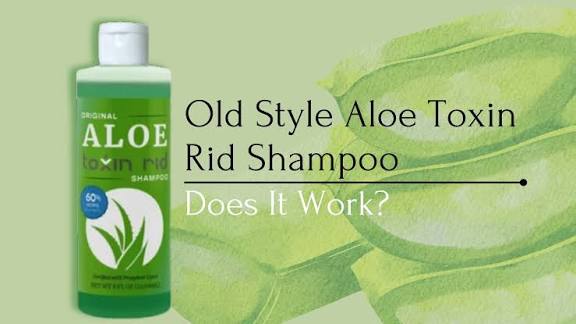
Aloe Toxin Rid Hair Detox Shampoo is positioned for this more demanding use, combining an aloe-vera base with propylene glycol and conditioning ingredients including panthenol, avocado oil and ceramides. Its sulfate-free, paraben-free, vegan and cruelty-free profile will also matter to customers who want intensive cleansing without compromising their product standards.
Price is another genuine trade-off. A specialist formula costs more than a supermarket shampoo because it is built for a narrower, more intensive purpose. That does not mean everyone needs one. If your only issue is the occasional dry-shampoo residue, a modest clarifying wash may be enough. But if chlorine, hard water, persistent product films or a high-stakes testing routine are involved, a targeted product is the more logical choice.
Protect hair after a clarifying wash
Deep cleansing should leave your hair ready for a simpler routine. Give it a break from excessive heat, heavy styling layers and repeated washing for a day or two where possible. Use a gentle conditioner, dry with a clean towel and keep tools clean before putting them back into use.
If your scalp stings, becomes persistently itchy or shows signs of irritation, stop using the product and seek advice from a pharmacist or healthcare professional. Clarifying shampoo is a treatment step, not a substitute for treating a scalp condition.
The best result is hair that feels genuinely clean rather than temporarily perfumed: lighter at the roots, clearer through the lengths and free from the residue that has been holding your routine back.