
How to Do a Deep Scalp Cleanse at Home Properly
Share
Your scalp can feel clean straight after an ordinary wash while still carrying layers of dry shampoo, styling polymers, hard-water minerals, sweat and chlorine. If your roots turn greasy quickly, your hair feels coated or your usual shampoo no longer seems to work, a deep scalp cleanse at home may be the reset your routine needs.
This is not about scrubbing your scalp raw or using kitchen ingredients that leave another residue behind. A proper cleanse removes the buildup that water and standard shampoos can miss, while protecting the hair shaft from unnecessary dryness. Done correctly, it leaves hair lighter, more responsive and genuinely clean from scalp to ends.
What a Deep Scalp Cleanse Actually Removes
Your scalp produces sebum for a reason. It helps protect the skin barrier and keeps hair flexible near the root. The problem begins when sebum mixes with leave-in products, oils, dry shampoo, hairspray, pollution and dead skin cells. Add hard water, which is common across much of the UK, and calcium and magnesium deposits can cling to the hair surface too.
Pool water creates a different issue. Chlorine can leave hair feeling rough, dull and tangled, particularly if it is porous, coloured or already dry. Heavy waxes, silicones and film-forming styling products may make hair look smooth initially, but repeated use can create a stubborn layer that ordinary shampoo struggles to shift.
A deep cleanse targets that combined residue. It should clean the scalp thoroughly, but it must also address the hair lengths. Buildup does not stop at the roots, and harsh cleansing without conditioning support can leave the cuticle lifted and the hair difficult to manage.
Signs You Need a Deep Scalp Cleanse at Home
There is no need to deep-cleanse on a rigid weekly schedule if your hair and scalp are comfortable. The right frequency depends on your water, activity level, products and hair condition. However, a cleanse is worth considering when your roots feel waxy soon after washing, your hair looks flat despite being freshly shampooed, or your scalp feels itchy without an obvious skin condition.
Other common signs include dull lengths, a white or greyish cast from dry shampoo residue, poor lather from your regular shampoo, and hair that seems to repel water. Swimmers may notice a chlorine smell that returns when hair gets wet. People in hard-water areas may notice that conditioner does not seem to soften their hair as effectively as it once did.
Do not mistake every scalp concern for buildup. Persistent flaking, soreness, redness, crusting or sudden shedding needs proper advice from a pharmacist, GP or dermatologist. A clarifying wash cannot treat eczema, psoriasis, fungal conditions or allergic reactions - and aggressive cleansing can make an irritated scalp worse.
Start With the Right Type of Cleanser
A scalp scrub can feel satisfying, but physical exfoliation is not always the best first move. Large abrasive particles can snag hair and aggravate sensitive skin, while oil-heavy DIY treatments may simply add another layer to remove. For most people, a targeted detox or clarifying shampoo is the more controlled option.
Look for a formula designed to lift product residue, environmental pollutants, chlorine and mineral deposits without relying on a harsh, stripping wash alone. Chelating ingredients are particularly useful where hard-water minerals or pool exposure are part of the problem. Conditioning components matter too, because a serious cleanse should not leave your hair feeling like straw.
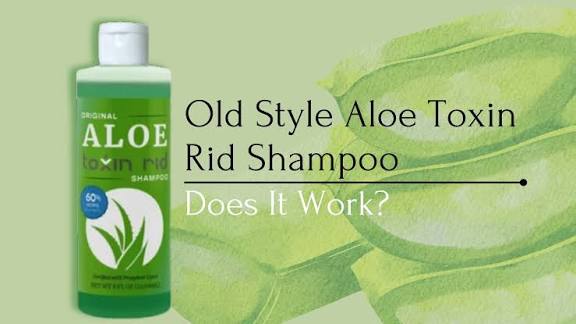
Aloe Toxin Rid Hair Detox Shampoo is formulated for intensive cleansing with an aloe vera base, propylene glycol, conditioning avocado oil, panthenol and ceramides. It is a specialist option for those who need more than a routine wash, including heavy styling-product users, swimmers and people dealing with hard-water buildup.
If your hair is bleached, very dry, highly porous or freshly coloured, use an intensive cleanser with care. You may need a shorter contact time, fewer repeats and a conditioning treatment afterwards. Clean hair is the aim. Over-cleansed hair is not.
How to Cleanse Your Scalp Without Overdoing It
Begin by thoroughly soaking your hair with warm water. Avoid very hot water, which can strip lipids from both your scalp and hair. Take enough time at this stage to loosen surface dirt and product before shampoo goes on.
Apply your cleanser directly through the roots in sections, especially if you have thick, long or dense hair. Work it across the scalp with the pads of your fingertips, not your nails. Use small circular movements and focus on the areas where buildup tends to sit: the crown, hairline, behind the ears and nape of the neck.
Bring the lather through the lengths rather than piling your hair up and rubbing it together. Hair is most vulnerable when wet, and rough friction can create tangles and breakage. Leave the product on only for the time stated on its instructions, then rinse for longer than you think necessary. Residual cleanser can make a sensitive scalp feel tight or itchy.
For a genuinely heavy buildup, one wash may loosen the outer layer and a second may clean more effectively. That does not mean every cleanse needs repeated shampooing. If the first wash lathers freely and your hair already feels clean, stop there.
Give Your Tools the Same Attention
There is little value in cleansing your hair then putting it straight back into a dirty brush or wrapping it in an unwashed towel. Wash brushes and combs with warm water and cleanser, removing trapped hairs and visible residue. Change pillowcases regularly, particularly if you use leave-in products at night.
Hats, helmets, bonnet linings and hair ties can all hold sweat, oil and product. Keeping these clean reduces the chance of reintroducing residue immediately after your wash. It is a small detail, but it makes a visible difference when you are trying to maintain a fresh scalp.
What to Do After an Intensive Cleanse
Follow with a conditioner through the mid-lengths and ends, avoiding the scalp unless your skin is very dry. This is especially useful after removing mineral deposits or heavy styling buildup, when hair may feel unusually light or squeaky. A lightweight leave-in product can help if your ends are dry, but do not undo the cleanse with several layers of oil, serum and spray at once.
Let your hair dry naturally where possible, or use moderate heat with heat protection. Your scalp does not need another dose of irritation immediately after a clarifying session. If you colour your hair, consider leaving a little time between a strong cleanse and your next colour service, as freshly clarified hair can behave differently during chemical processing.
For most people, a deep cleanse every two to four weeks is enough. Swimmers, frequent dry-shampoo users and those living with very hard water may need it more often. Conversely, curly, coily, dry or chemically processed hair may do better with less frequent clarifying and more moisture-focused care between treatments.
If You Are Preparing for Hair Testing
A deep cleanse can remove external cosmetic residue, oils, pollutants and product buildup from hair. It is not a guaranteed method for changing a laboratory result, and no shampoo can promise an outcome from hair-follicle testing. Test results can depend on the laboratory process, the sample collected, individual biology and the substances being assessed.
If testing is high stakes, avoid last-minute experimentation with harsh chemicals, household detergents or abrasive treatments. These can damage the hair, irritate the scalp and create complications without giving you reliable control over the result. Use products exactly as directed, keep your routine calm and avoid recontaminating freshly washed hair with unclean brushes, pillowcases or headwear.
A deep scalp cleanse works best when it is precise rather than punishing. Choose a cleanser built for real buildup, massage with purpose, rinse properly and give your hair the conditioning support it needs afterwards. Your scalp should feel fresh, not tight - and your hair should feel clean enough to move again.