
How to Remove Styling Product Buildup Fast
Share
Your hair can feel dirty straight after washing and still not actually be dirty. That heavy, coated feeling is often residue from dry shampoo, wax, mousse, gel, heat protectant, hairspray and leave-in products. Knowing how to remove styling product buildup properly matters because ordinary shampoo may clean surface oil without shifting the film clinging to your hair shaft.
When buildup takes hold, hair can look flat, dull and strangely greasy at the roots while feeling dry through the lengths. Curls may lose their shape, blow-dries may fall quickly, and products that usually work well can suddenly seem useless. The answer is not to scrub harder every day. It is to use the right cleansing method at the right interval.
What styling product buildup actually is
Most styling products are designed to stay put. That is the point. Polymers help hairspray hold a style; waxes and silicones can create slip and shine; oils soften; dry shampoo powders absorb grease; and gels leave a flexible or firm cast. Layered across several days, these ingredients can combine with natural sebum, sweat, airborne pollution and minerals from hard water.
This creates a coating that regular shampoo does not always remove completely. It is particularly common if you use dry shampoo between washes, apply several leave-in products, swim regularly, or live in a hard-water area. Fine hair may show the effects first because it becomes weighed down quickly, but thick, curly and coily hair can also lose definition when residue builds on the strands.
Buildup is not always visible. If your hair takes longer to get fully wet, feels waxy even after shampooing, dries without movement, or seems to repel conditioner, it is time for a proper reset.
How to remove styling product buildup without over-cleansing
The fastest way to shift stubborn residue is a focused clarifying wash. Clarifying shampoo uses stronger cleansing ingredients than an everyday shampoo to break down styling films, excess oil and environmental residue. Some specialist formulas also target hard-water minerals and chlorine, which can make the hair feel rough and lifeless even when styling products are not the only issue.
Start by thoroughly saturating your hair with warm water. Do not use very hot water, as it can leave the scalp uncomfortable and make dry lengths feel worse. Spend at least a minute rinsing before you add shampoo. This loosens water-soluble product and gives the cleanser a fair chance to reach the scalp and hair shaft.
Apply the clarifying shampoo mainly at the roots first, where oil, dry shampoo and styling residue concentrate. Massage with the pads of your fingertips, not your nails. Then work the lather down the lengths using your hands. If your hair is especially coated - for example, after several days of dry shampoo, pomade or heavy hairspray - rinse and repeat once.
Leave the second wash on only for the time stated on the product directions. More time is not automatically better. A well-formulated intensive cleanser needs contact time, but leaving any cleanser on indefinitely can make the scalp feel tight and the lengths feel stripped.
Rinse until the water runs completely clear and the hair no longer feels slippery with product. Follow with a lightweight conditioner through the mid-lengths and ends. If your hair is coloured, bleached, naturally dry or chemically treated, choose a conditioner with moisturising and strengthening ingredients such as panthenol, ceramides or nourishing oils. Clarifying removes what does not belong on the hair, but your aftercare should restore comfort and manageability.
When one wash is not enough
A single clarifying wash is usually enough for ordinary styling buildup. However, it depends on what is sitting on your hair. Thick waxes, water-resistant sprays, repeated dry-shampoo use and hard-water exposure may need two washes in the same session. Hair that has been exposed to pool chlorine or heavy pollution can also need a more intensive cleansing formula.
Avoid turning that into a daily habit. Repeated aggressive cleansing can dry the hair and encourage an uncomfortable, oily-feeling scalp cycle. For most people, clarifying once every two to four weeks is a sensible starting point. If you use substantial styling product every day, once a week may suit you. If your hair is dry, textured or colour-treated, stretch the interval where possible and focus on lighter styling choices between treatments.
The mistakes that leave residue behind
The most common mistake is using too little water. Shampoo cannot distribute properly across hair that is only damp, particularly when dry shampoo or wax is present. Fully wet hair makes a noticeable difference.
The second mistake is applying a large amount of shampoo in one go. Use a measured amount, emulsify it between your palms, and work methodically across the scalp. If there is no lather on the first wash, that does not mean the shampoo has failed. It often means it is busy breaking down oil and residue. Rinse, then cleanse again if necessary.
Another problem is immediately reapplying the same heavy products. A clean slate disappears quickly when dry shampoo is used every morning, then layered with texturising spray, serum and hairspray. You do not need to abandon styling, but use each product with purpose. Apply the smallest amount that delivers the finish you want.
Finally, do not overlook the items touching your clean hair. Wash your hairbrushes and combs in warm, soapy water, and clean heat-styling tools once cool. Change pillowcases regularly. Hats, scarves and dirty brushes can transfer oil and product back onto freshly clarified hair.
Do home remedies work for styling buildup?
You may see advice to use bicarbonate of soda, washing-up liquid or undiluted vinegar. These shortcuts are tempting because they sound powerful. They can also be unnecessarily harsh.
Bicarbonate of soda is highly alkaline and may leave hair rough, dry and difficult to manage. Washing-up liquid is made for grease on plates, not the balance of your scalp and hair. Vinegar can help some people with mineral-related dullness when heavily diluted, but it does not reliably remove every type of styling polymer, wax or silicone. The smell, potential irritation and unpredictable results are rarely worth it when a targeted clarifying shampoo is available.
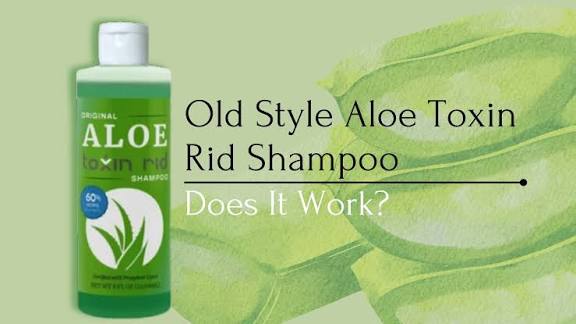
A specialist cleanser is the more controlled option. Aloe Toxin Rid Hair Detox Shampoo is designed for intensive removal of cosmetic residue alongside pollutants, chlorine and hard-water minerals, while conditioning ingredients help reduce the harsh, squeaky feeling associated with basic stripping shampoos. Use it as directed, then follow with suitable conditioning care.
Build a routine that prevents buildup
Prevention is simpler than a rescue wash. Use dry shampoo as an occasional extension between washes rather than a substitute for cleansing. Brush styling products through where appropriate so they distribute evenly instead of collecting in one area. If you use oils or serums, keep them away from the roots unless the formula is specifically intended for the scalp.
Hard water can make product buildup feel worse because minerals bind to the hair surface. If your hair feels coated despite using modest styling products, mineral residue may be part of the problem. A clarifying treatment with mineral-removal support can be more useful than repeatedly switching everyday shampoos.
Pay attention to what your hair is telling you. Clean hair should feel light, responsive and easy to style, not squeaky, brittle or overloaded. When it starts behaving as though every product is too much, stop layering and give it a deliberate reset. A properly timed clarifying wash can bring back the movement, shine and clean feel your styling routine was meant to enhance.