
What Affects Hair Follicle Test Results Most?
Share
A hair result can carry serious consequences for work, legal proceedings or compliance. If you are asking what affects hair follicle test results, the straight answer is that no single detail tells the whole story. The laboratory considers the substance being tested for, the amount and type of hair available, the collection process, cosmetic history and its own confirmation procedures.
Despite the common name, a “hair follicle test” normally analyses the hair shaft, not the follicle itself. Substances or their metabolites can enter growing hair through the bloodstream and become incorporated into the shaft. The sample is then tested using a defined laboratory process. That distinction matters because surface cleanliness, hair care and personal biology may affect a sample in different ways, but they do not rewrite what has already been incorporated into the hair as it grew.
What Affects Hair Follicle Test Results?
Hair testing is more nuanced than a simple positive-or-negative home test. A properly run programme will have collection rules, chain-of-custody records, screening thresholds and confirmatory analysis. Results must be read in the context of the laboratory’s stated method and the organisation’s policy.
Timing, growth and the testing window
Head hair grows at an average rate of around one centimetre per month, although individual growth rates vary. Many testing programmes analyse the first 3.9 centimetres from the scalp end, often representing an approximate 90-day look-back period. It is an estimate, not a stopwatch.
Hair that grows more slowly or quickly may represent a somewhat different period. The length selected by the collector matters too. A longer segment can reflect a longer history, while a shorter segment may offer a narrower view. Laboratories generally follow a specified segment length rather than testing every strand from root to tip without distinction.
The timing of exposure also matters. Very recent use may not yet be present in enough newly grown hair to fall within the selected scalp-near segment. Conversely, older hair further from the scalp can reflect earlier periods if that segment is examined. The exact interpretation depends on the laboratory’s method, not guesswork based on a calendar alone.
The substance, dose and pattern of exposure
Different substances behave differently in hair. Their chemical properties, the amount taken, the frequency of exposure and the person’s metabolism can all affect whether a laboratory detects them above its reporting threshold.
Repeated exposure is more likely to leave a measurable pattern than a single, low-level event, but no responsible provider should promise a fixed result from a claimed amount or date. Laboratory cut-offs exist for a reason: they help separate analytical findings from results that meet the programme’s reporting criteria. The confirmation method and threshold used are therefore central to the final outcome.
Prescription and over-the-counter medicines can also matter. If a test is being undertaken for employment, medical, legal or safeguarding reasons, disclose legitimately prescribed medication through the correct confidential route. Do not stop prescribed treatment without advice from the clinician who manages it.
Hair type, colour and melanin
Hair differs from person to person in thickness, growth cycle, pigment and condition. Melanin, the pigment that gives hair its colour, may bind some compounds differently. This is one reason laboratories use validated methods, cut-offs and quality controls instead of treating every sample as chemically identical.
Hair colour alone should never be used to predict a result. Neither should texture, curl pattern or ethnicity. A professional laboratory is expected to account for method limitations and to interpret results against its established procedures. If a result could affect your employment or legal position, ask which laboratory performed the analysis and whether confirmatory testing was completed.
Cosmetic treatments and environmental exposure
Bleaching, permanent colouring, relaxing, perming and frequent heat styling can damage the hair shaft. Heavy cosmetic processing may reduce, alter or complicate the measurement of certain compounds. It can also leave hair too compromised for a good-quality sample.
Ordinary exposure adds another layer. Chlorine, hard-water minerals, smoke, workplace dust, styling waxes, dry shampoo and silicone-rich products can build up on the outside of hair. That is a genuine hair-care issue, particularly for swimmers and anyone using heavy products daily. A thorough clarifying wash can remove external residue, improve feel and reduce cosmetic buildup.
However, external cleansing is not the same as changing substances incorporated within the shaft during hair growth. No shampoo, home remedy or aggressive washing routine can guarantee a particular laboratory result. Treat any product claiming certainty around a high-stakes screening outcome with caution.
Professional laboratories commonly wash samples before analysis to reduce the risk that external contamination is mistaken for internal exposure. Their approach may include documented decontamination steps and comparisons that help them assess whether a finding is consistent with the testing method. This is one reason a laboratory result cannot be reduced to whether hair looked clean on collection day.
Collection Quality Can Affect Hair Test Interpretation
Collection is not a minor admin step. It is part of the evidence trail. The collector should identify the correct donor, take the required quantity from the appropriate location, align the scalp end where required and seal the sample under documented chain-of-custody procedures.
Usually, head hair is preferred because it offers the clearest segmentation and generally reflects recent months most consistently. If there is insufficient head hair, a programme may use body hair. Body hair growth cycles differ substantially, so it may reflect a broader and less precise timeframe. It should not be treated as a direct substitute for a defined 90-day head-hair segment.
Poor sample handling can create avoidable questions. A sealed, labelled sample with a complete custody record protects both the organisation ordering the test and the person providing it. If you believe the collection was mishandled, raise the concern promptly through the testing provider’s formal process rather than relying on informal assurances.
Laboratory Method and Confirmation Matter Most
The initial screen is not always the final word. Reputable testing pathways commonly use an initial screening method followed by a more specific confirmatory technique for non-negative findings. Confirmatory testing is designed to identify the relevant compound with greater certainty and apply the laboratory’s reporting criteria.
This is where quality systems matter. The laboratory should operate validated methods, maintain controls and document sample custody. The report should state what was tested, the result, the cut-off or reporting threshold where applicable, and any relevant notes on the sample. A decision-maker should not overinterpret a result beyond what the report supports.
If a result is unexpected, ask practical questions: Was the sample analysed by a recognised laboratory? Was confirmation performed? What segment of hair was tested? Was body hair used? Is there a medical review process for declared medication? These questions are more useful than internet myths about miracle fixes.
Prepare Properly Without Chasing False Guarantees
For people facing a legitimate test, the sensible approach is simple: follow the collector’s instructions, arrive with sufficient accessible hair where possible, disclose relevant prescribed medication through official channels and keep records of any cosmetic treatments that may be relevant to interpretation.
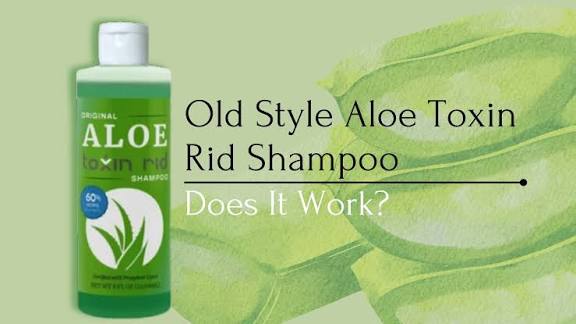
For everyday hair care, intensive clarifying products can be valuable when your hair is carrying chlorine, minerals, product residue or environmental grime. Aloe Toxin Rid is formulated as a specialist deep-cleansing shampoo for that external buildup, with an ingredient-led approach to intensive washing and aftercare. Use any clarifying treatment as directed, and condition appropriately if your hair is dry, coloured or chemically processed.
Do not damage your scalp or hair in an attempt to influence a screening process. Harsh treatments can cause breakage, irritation and an inadequate sample, creating more stress rather than more certainty. When the stakes are high, documented testing standards and clear communication are the strongest place to put your confidence.
A hair test should be handled as a formal measurement, not a gamble. Focus on accurate collection, honest disclosure where required and a laboratory process that can stand behind its result.